The real cost of Дизайнер интерьеров: hidden expenses revealed
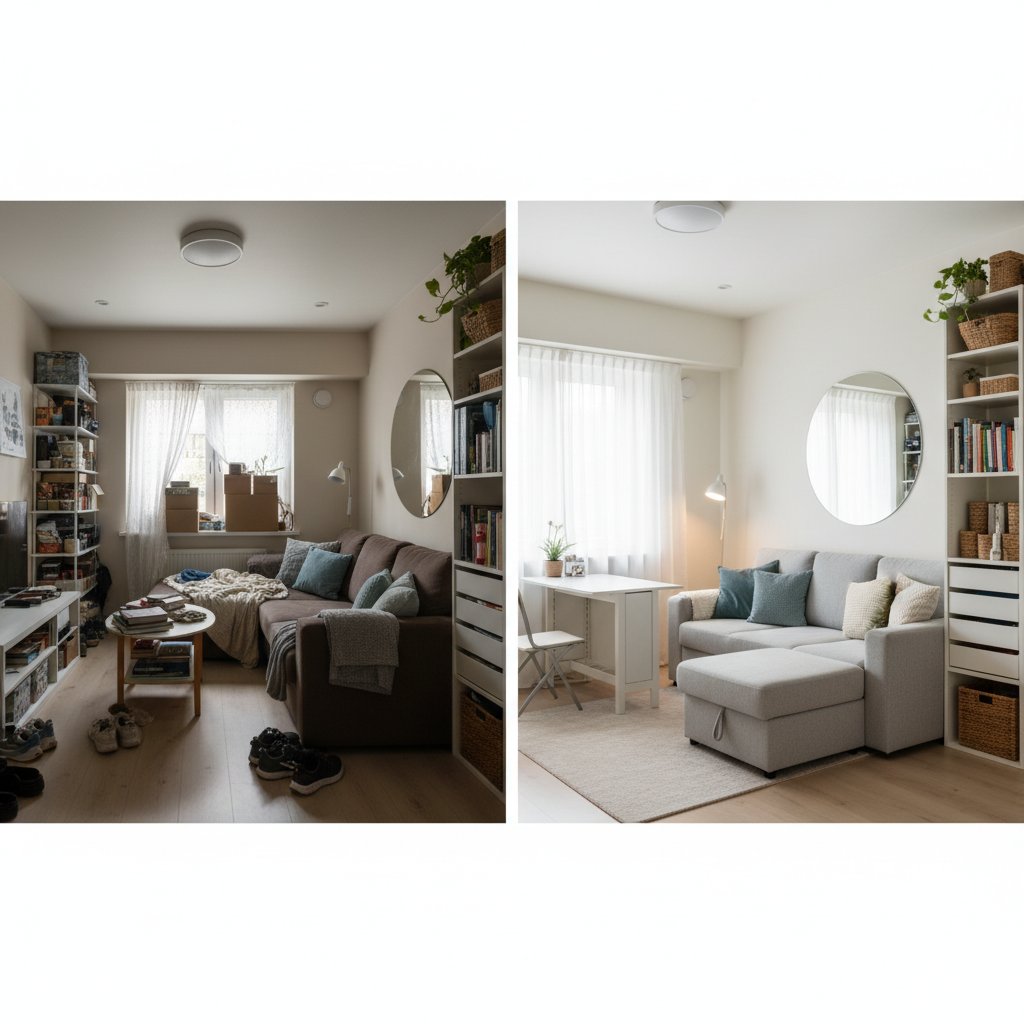
My friend Marina learned the hard way that hiring an interior designer isn't just about the hourly rate on their website. After budgeting $5,000 for her living room makeover, she ended up spending nearly $9,000. The designer's fee? That was actually the smallest surprise on her final invoice.
Here's the thing nobody tells you upfront: the sticker price of working with a дизайнер интерьеров (interior designer) is just the tip of an expensive iceberg. Sure, you might see "$150 per hour" or "15% of project cost" plastered on their site, but that's like looking at a restaurant menu and forgetting about tax, tip, and those "small plates" that somehow cost $18 each.
The Obvious Costs (That Still Shock People)
Let's start with what you'd expect to pay. Most interior designers work on one of three models:
- Hourly rates: $100-$500 per hour depending on experience and location. A typical room redesign takes 20-40 hours of actual design work.
- Flat project fees: $2,000-$12,000 for a single room, $25,000-$100,000+ for whole-home projects.
- Percentage of costs: Usually 10-30% of total furniture and materials purchased.
That last one is sneaky. If your designer sources $50,000 worth of furniture and décor, you're paying an additional $7,500-$15,000 just for their markup. And yes, this is on top of their design fee in many cases.
The Hidden Expenses That Drain Your Wallet
Revision Fees (The Silent Budget Killer)
Most contracts include 2-3 rounds of revisions. Sounds reasonable until you realize that "one revision" might mean tweaking the entire color scheme because you decided you hate beige after seeing the samples in natural light. Additional revisions typically cost $75-$200 per hour, and they add up faster than you'd think. Marina spent an extra $1,200 on revisions alone.
The Shopping Trip Tax
Your designer needs to visit showrooms, fabric suppliers, and furniture stores. Who pays for their time? You do. These procurement hours often aren't included in initial quotes and can add 15-25 hours to your project timeline. At $150/hour, that's another $2,250-$3,750.
Sample Costs That Nobody Mentions
Before committing to that $400-per-yard fabric, you'll need samples. Paint samples, fabric swatches, tile samples, flooring samples. Each one costs $5-$50, and you might order 30-50 samples throughout a project. Budget $500-$1,000 for this testing phase that designers rarely itemize upfront.
The Project Management Premium
Someone needs to coordinate with contractors, receive deliveries, and handle installation supervision. If your designer offers "project management services" (and they usually do), expect to pay an additional 5-10% of the total project cost. For a $30,000 renovation, that's $1,500-$3,000 more.
The Furniture Markup Mystery
Here's where things get interesting. Designers typically receive trade discounts of 20-50% from suppliers. Some pass these savings along to clients (minus their fee). Others charge you retail price and pocket the difference. A third group does both—charging retail plus their design fee.
Translation? That $3,000 sofa might cost your designer $1,500 wholesale. You could pay $3,000 (retail), $3,450 (retail + 15% fee), or $1,800 (cost + 20% markup). Always ask which pricing structure they use before signing anything.
What Industry Insiders Say
According to a 2023 survey by the American Society of Interior Designers, 68% of clients report spending 20-40% more than their initial designer estimate. Sarah Chen, a designer with 15 years of experience in New York, puts it bluntly: "Most designers underquote to win the job, knowing the scope will expand. It's not malicious—projects just evolve. But clients should budget an extra 30% as a cushion."
The Soft Costs You Can't Ignore
Your time has value. Meeting with designers, reviewing mood boards, shopping for accessories, and making countless decisions requires 20-50 hours of your personal time. For busy professionals, this opportunity cost is real.
Then there's the domino effect. New furniture makes your old curtains look shabby. Fresh paint highlights your dated light fixtures. Before you know it, you're replacing things that weren't even in the original scope. Industry data suggests 73% of design projects expand beyond their initial boundaries.
Key Takeaways
- Budget 30-50% above your designer's initial estimate to cover hidden costs
- Clarify whether furniture prices include trade discounts, markups, or both
- Get revision limits and hourly overage rates in writing before starting
- Ask for itemized quotes that separate design fees from procurement and project management
- Factor in $500-$1,500 for samples, shopping time, and coordination expenses
- Expect the unexpected: 73% of projects expand beyond original scope
Look, hiring an interior designer can absolutely be worth it. They save you from costly mistakes, access better resources, and create spaces you'd never achieve alone. Just go in with your eyes wide open. That $5,000 project might realistically cost $7,500-$8,000 when all the dust settles.
The designers who earn long-term clients? They're upfront about these hidden costs from day one. If someone promises you a complete room transformation for $3,000 all-in, grab your wallet and run the other way. Transparency costs nothing, but it's worth everything.